Pain in the lower back is one of the most common health complaints around the world. For various reasons, lumbar spondylosis is a condition that often affects middle aged and older adults. This spinal cord disorder can significantly affect the quality of life if it is not treated. In this article, we will dive deep into lumbar spondylosis symptoms, its causes and the most effective treatment options available today.
What is Lumbar Spondylosis?
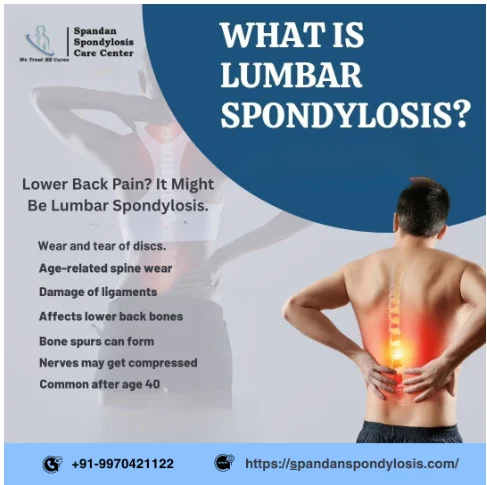
The spondylosis of the lower back refers to the degeneration related to the age of the lower spine (lower back), including wear and tears in the vertebrae, discs, joints and ligaments. It is a form of osteoarthritis that can cause problems with discomfort, hardness and mobility.
As the body’s age changes the spine naturally. The discs can lose hydration and elasticity; bones can develop spurs (osteophytes) and stiff joints. These changes can compress the veins or reduce spinal cord flexibility, which can cause different symptoms.
Lumbar Spondylosis Symptoms
It is necessary for the managing of the position to previously identify the lumbar spondylosis symptoms. Although some individuals do not experience any symptoms, others may suffer from a variety of discomfort. Common symptoms include:
- Lower back pain: The most noticeable symptom, often worsened by prolonged sitting or standing.
- Stiffness in the lower back: Especially after waking up or periods of inactivity.
- Pain that radiates to the buttocks or legs: Known as sciatica, caused by nerve compression.
- Numbness or tingling in the legs or feet.
- Muscle weakness in the lower limbs.
- Reduced range of motion or flexibility in the back.
- Grinding or popping sensation in the spine during movement.
Lumbar Spondylosis Causes
Understanding the causes of lumbar spondylosis can help you take preventive steps or handle the condition more efficiently. The most common contributors here are:- Aging
- Genetic Predisposition
- Sedentary Lifestyle
- Repetitive Strain
- Obesity
- Smoking
- Previous Spinal Injuries
How is Lumbar Spondylosis Diagnosed?
If you are constantly experiencing lower back pain, it is important to get a proper diagnosis. A health care provider can use the following methods:- Physical examination: To check your posture, range of motion and nerve function.
- X -rays: To detect bone spurs and narrowness for disc space.
- MR or CT scan: Provide detailed images of soft tissue, veins and plates.
- Nerve Conduction Studies: Assess if nerve compression is present.
Lumbar Spondylosis Treatment Options
Treatment for lumbar spondylosis focuses on relieving symptoms, improving mobility, and preventing further damage. Depending on the severity of your condition, treatment may include:- Lifestyle Modifications
- Exercise regularly to strengthen back and core muscles.
- Avoid prolonged sitting or poor posture.
- Maintain a healthy weight to reduce pressure on the spine.
- Quit smoking to improve spinal health.
- Physical Therapy
- Improve flexibility and posture.
- Strengthen supporting muscles.
- Relieve nerve pressure through stretching and movement.
- Medications
- NSAIDs (Ibuprofen, Naproxen) to reduce inflammation.
- Muscle relaxants for spasms.
- Topical pain relievers or pain patches.
- Alternative Therapies
- Chiropractic adjustments for spinal alignment.
- Acupuncture for pain relief.
- Massage therapy to reduce muscle tension.
- Assistive Devices
- Surgical Intervention
- Laminectomy: Removal of part of the vertebra to relieve nerve pressure.
- Discectomy: Removal of damaged disc portions.
- Spinal fusion: Fusing two or more vertebrae to stabilize the spine.
At-Home Care Tips for Managing Lumbar Spondylosis Symptoms
Along with professional care, managing lumbar spondylosis symptoms at home can help reduce pain and improve mobility:- Apply hot or cold packs to the lower back to reduce inflammation.
- Stretch daily, especially after waking up or sitting for long periods.
- Practice yoga or gentle Pilates to improve flexibility.
- Sleep on a firm mattress and use proper pillows for back support.
- Stay active, but avoid heavy lifting or sudden movements.
Can Lumbar Spondylosis Be Prevented?
While you can’t completely avoid the aging process, you can reduce your risk of developing lumbar spondylosis by:- Maintaining good posture, especially while working at a desk.
- Staying active with regular, low-impact exercise.
- Using ergonomic furniture that supports the natural curvature of the spine.
- Avoiding high heels or improper footwear.
- Eating a balanced diet rich in calcium and vitamin D to support bone health.
When to See a doctor
You should consult a doctor if you experience:- Persistent back pain lasting more than a few weeks
- Numbness, tingling, or weakness in the legs
- Difficulty walking or maintaining balance
- Loss of bladder or bowel control (a medical emergency)