Back pain is one of the most common health complaints today, especially among working professionals and the elderly. Often, the underlying causes of persistent back pain include spinal disc conditions such as a herniated disc or a bulging disc. While conventional medicine offers surgical and pharmaceutical interventions, many individuals are now turning toward neurotherapy for herniated disc and bulging disc issues as a natural, non-invasive treatment option.

This blog will help you understand the difference between a herniated disc and a bulging disc, how neurotherapy works, and why it is gaining popularity as an effective solution for long-term spinal health.
What Is a Herniated Disc?
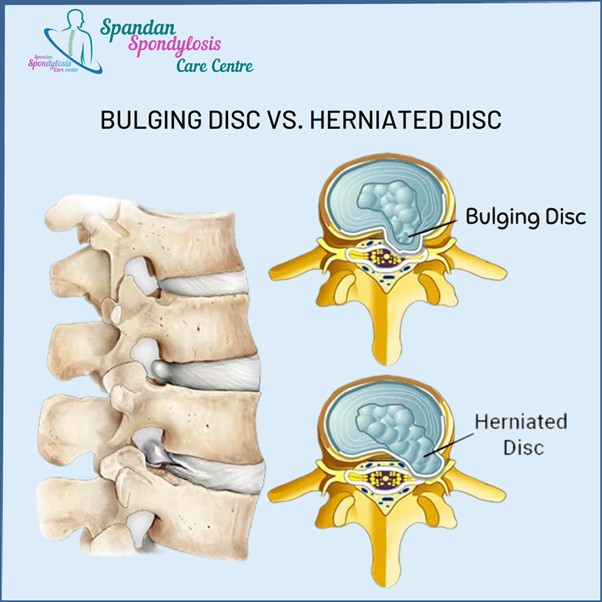
A herniated disc, also known as a slipped or ruptured disc, occurs when the inner gel-like core (nucleus pulposus) of the spinal disc leaks out through a tear in the outer fibrous layer (annulus fibrosus). This can compress nearby nerves, causing symptoms such as:
- Sharp, shooting pain in the back or legs
- Tingling or numbness in arms or legs
- Muscle weakness
- Difficulty walking or sitting for long periods
Herniated discs are most commonly found in the lower back (lumbar region), but they can also occur in the cervical (neck) and thoracic (upper back) regions.
What Is a Bulging Disc?
Unlike a herniated disc, a bulging disc does not involve a rupture. Instead, the disc protrudes outward uniformly, placing pressure on surrounding spinal nerves. It’s usually the result of poor posture, or repetitive stress on the spine. A bulging disc can lead to similar symptoms as a herniated disc, including:
- Localized or radiating pain
- Numbness or tingling
- Reduced mobility
- Stiffness and inflammation
Although less severe than herniation, a bulging disc can still significantly impair quality of life.
Common Causes of Disc Problems
Both herniated and bulging discs can stem from multiple causes, including:
- Poor posture and spinal alignment
- Lack of Physical Activity
- Repetitive Strain
- Trauma or injury
- Obesity
- Smoking and poor nutrition
If not addressed early, disc conditions can worsen over time, leading to chronic pain and disability.
Conventional Treatment Methods
Traditional medical approaches for treating disc issues include:
- Painkillers and anti-inflammatory drugs
- Physical therapy and chiropractic adjustments
- Corticosteroid injections
- Surgical procedures such as discectomy or spinal fusion
While these methods may provide temporary relief, they often do not address the root cause. Additionally, surgery carries risks like infection, nerve damage, and long recovery periods.
This is where neurotherapy for herniated disc and bulging disc problems stands out as a safe, drug-free, and holistic alternative.
What Is Neurotherapy?
Neurotherapy is a holistic treatment approach that focuses on correcting imbalances in the nervous system, muscular system, and circulatory pathways. It is based on ancient Indian therapeutic principles that activate the body’s natural healing mechanisms without the use of drugs or surgery.
By applying gentle, specific pressure on nerve-rich points in the body, neurotherapy improves nerve signalling, enhances blood flow, and restores organ function. This therapy is particularly effective in managing conditions where nerve compression or inflammation is a root cause—like in herniated and bulging discs.
How Neurotherapy Works for Herniated and Bulging Discs
In the case of spinal disc conditions, neurotherapy helps by:
1. Reducing Nerve Compression
Through pressure point stimulation, neurotherapy improves the alignment of muscles and ligaments around the spine. This helps reduce pressure on pinched nerves caused by the displaced or bulging disc.
2. Improving Blood Circulation
Enhanced blood flow to the affected area accelerates healing, reduces inflammation, and nourishes spinal tissues, including the discs and vertebrae.
3. Rebalancing Muscular Support
Tight or weak muscles often contribute to spinal misalignment. Neurotherapy helps restore balance in muscle function, which plays a key role in relieving tension from the spine and discs.
4. Stimulating Natural Repair Mechanisms
Neurotherapy enhances the body’s innate ability to regenerate damaged tissues. This aids in slowing down or even reversing disc degeneration when therapy is continued over time.
Benefits of Neurotherapy for Herniated Disc and Bulging Disc
Choosing neurotherapy for herniated disc and related spinal conditions offers several benefits:
- Non-invasive: No surgery or injections required
- Drug-free: Avoids side effects of painkillers and steroids
- Root-cause treatment: Focuses on correcting the source, not just symptoms
- Personalized approach: Therapy is tailored based on the individual’s spinal condition, symptoms, and overall health
- Improved posture and mobility: As alignment is restored, patients experience better movement and spinal flexibility
- Long-lasting relief: Many patients report sustained improvement with regular sessions
What to Expect During a Neurotherapy Session
A typical neurotherapy session involves:
- A detailed assessment of your spine, posture, and symptoms
- Identification of pressure points related to nerve function and disc health
- Application of precise hand-based stimulation on key neuro-points
- Guidance on supportive exercises, lifestyle changes, and posture correction
Patients may begin to feel relief within a few sessions, though consistent therapy is often recommended for chronic or advanced cases.
Is Neurotherapy Safe for Everyone?
Neurotherapy is a safe modality suitable for people of all ages. It is especially beneficial for:
- Individuals who wish to avoid spine surgery
- Patients who have not responded well to medication or physiotherapy
- Elderly patients who are poor candidates for surgical procedures
- People looking for a natural, side-effect-free approach
However, it is essential to undergo treatment under trained and certified neurotherapist to ensure safety and optimal results.
Combining Neurotherapy with Lifestyle Changes
To enhance the effects of neurotherapy for herniated disc, patients are encouraged to make positive lifestyle changes such as:
- Practicing proper posture at work and while sleeping
- Performing daily stretches and back-strengthening exercises
- Staying hydrated and eating anti-inflammatory foods
- Avoiding heavy lifting and sudden twisting movements
- Managing body weight to reduce pressure on the spine
These habits, combined with regular neurotherapy sessions, can provide a sustainable path to recovery.
Real Patient Experiences
Many individuals suffering from chronic back pain have experienced remarkable improvement through neurotherapy. Patients report a significant reduction in pain, better sleep quality, and improved ability to perform daily tasks—without relying on medication or undergoing surgery.
Such outcomes highlight the growing recognition of neurotherapy as a powerful tool for spine and nerve-related disorders.
Final Thoughts
Disc problems like herniation and bulging may seem daunting at first, but they don’t have to define your life. With the right care and a commitment to natural healing, recovery is possible.
If you’re seeking a non-invasive, drug-free, and effective solution, neurotherapy for herniated disc and bulging disc could be the answer you’ve been looking for. It not only relieves pain but also addresses the underlying causes—supporting your body’s innate ability to heal.