Cervical radiculopathy, often known as a pinched nerve in the neck, can be a painful and debilitating condition. It affects countless individuals every year, often suddenly and disrupting everyday life. In this full guide, we will detect cervical radiculopathy symptoms, causes, diagnosis and best cervical radiculopathy -treatment options so that you or your loved ones get relief and begin the journey to recovery.
What is Cervical Radiculopathy?
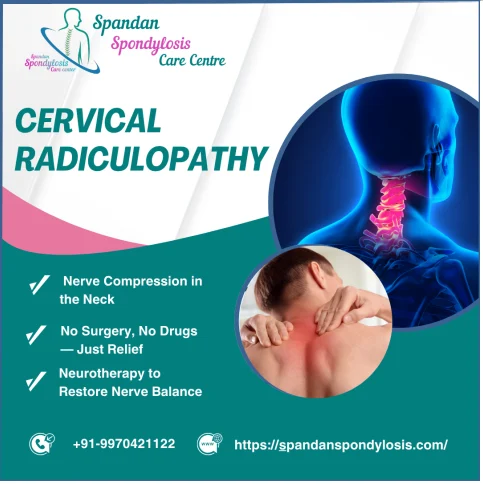
Cervical radiculopathy occurs when a nerve (cervix) in the neck becomes irritated or compressed. This pressure on the nerve can be as a result of various factors, including herniated plates, bone spurs, spine or degenerative disc disease.
When the nerve root is compressed, it intervenes with nerve signals from the brain, and often causes pain, numbness or weakness in these areas.

Common Cervical Radiculopathy Symptoms
Rapidly identifying cervical radiculopathy symptoms is important for effective treatment and recovery. While the intensity and location of the symptoms may vary, on the basis of which nerve root is affected, includes common characters:- Neck Pain
- Radiating Arm Pain
- Numbness or Tingling
- Muscle Weakness
- Loss of Coordination
Causes and Risk Factors
Understanding what causes cervical radiculopathy can help in both prevention and treatment.Common Causes
- Herniated Disc: A slipped or ruptured disc can press against a nerve root.
- Degenerative Disc Disease: Age-related wear and tear can cause discs to thin and lead to nerve compression.
- Bone Spurs: These bony overgrowths can narrow the space where nerves exit the spinal canal.
- Spinal Stenosis: Narrowing of the spinal canal can compress nerves.
- Trauma or Injury: Sudden injuries, like whiplash or falls, can damage cervical discs or vertebrae.
Risk Factors
- Age (typically 40–60 years)
- Repetitive neck movements
- Heavy lifting or overhead work
- Poor posture
How is Cervical Radiculopathy Diagnosed?
If you experience cervical radiculopathy symptoms, a visit to a healthcare provider is essential. Diagnosis typically involves:- Medical History Review: The doctor will ask about your symptoms, onset, and activities that make it worse.
- Physical Examination: This includes testing your reflexes, muscle strength, and sensation in the arms and hands.
- Imaging Tests:
- MRI (Magnetic Resonance Imaging): Best for visualizing soft tissue like nerves and discs.
- CT scan or X-ray: Helps identify bone spurs or vertebral misalignment.
- EMG (Electromyography): Assesses the electrical activity of muscles to determine nerve damage.
Best Cervical Radiculopathy Treatment Options
When it comes to the best cervical radiculopathy treatment, a personalized step-by-step approach is often most effective. Treatment depending on the severity and duration of symptoms may be conservative or surgical.-
- Conservative Treatments
-
- Rest and Activity Modification
-
- Physical Therapy
-
-
-
- Strengthening neck and shoulder muscles
- Improving posture
- Stretching tight muscles
- Reducing nerve irritation
-
- Medications
- NSAIDs (Non-Steroidal Anti-Inflammatory Drugs): Ibuprofen or naproxen can reduce inflammation and relieve pain.
- Muscle Relaxants: Help ease muscle spasms.
- Oral Corticosteroids: Short courses may reduce nerve inflammation.
-
-
-
- Cervical Collar or Brace Used short-term to limit neck motion and reduce nerve irritation.
- Epidural Steroid Injections These injections deliver corticosteroids directly to the nerve root, reducing inflammation and pain quickly.
- Alternative Therapies Complementary therapies can also support recovery:
-
- Chiropractic Care: Gentle spinal adjustments may relieve pressure on nerves.
- Acupuncture: Shown to reduce pain and promote healing.
- Massage Therapy: Eases muscle tension and improves blood flow.
- Surgical Treatments
-
-
-
-
- Pain is severe and persistent
- Neurological symptoms worsen (e.g., progressive weakness)
- Conservative treatments fail after 6–12 weeks
-
-
Common Surgical Options
-
-
- Anterior Cervical Discectomy and Fusion (ACDF): Removes the problematic disc and fuses the vertebrae to stabilize the spine.
- Cervical Disc Replacement: The damaged disc is replaced with an artificial one, preserving neck mobility.
- Posterior Foraminotomy: Removes bone or disc material to relieve nerve pressure without fusion.
-
Lifestyle Modifications for Long-Term Relief
Even after treatment, lifestyle changes are key to preventing recurrence. Ergonomic Workspaces Adjust your desk, chair, and screen height to reduce neck strain. Posture Correction Practice good posture while sitting, standing, and sleeping. Avoid cradling the phone between your ear and shoulder. Neck Exercises Regular strengthening and stretching can keep the cervical spine healthy. Weight Management Maintaining a healthy weight reduces strain on the spine. Quit Smoking Smoking hinders blood flow to spinal discs, slowing recovery and accelerating degeneration.Recovery Timeline
The recovery varies from the cause and the severity. Most people experience improvement within 6 to 12 weeks of conservative care. Surgery, if necessary, may require a long -lasting recovery time – often 3 to 6 months for complete treatment. The key is in line with treatment and rehabilitation, and regularly follows health care professionals.When to Seek Immediate Medical Attention
While most cases of cervical radiculopathy aren’t emergencies, you should seek immediate help if you experience:-
-
- Loss of bowel or bladder control
- Sudden, severe weakness in arms or legs
- Difficulty walking or balancing
-