
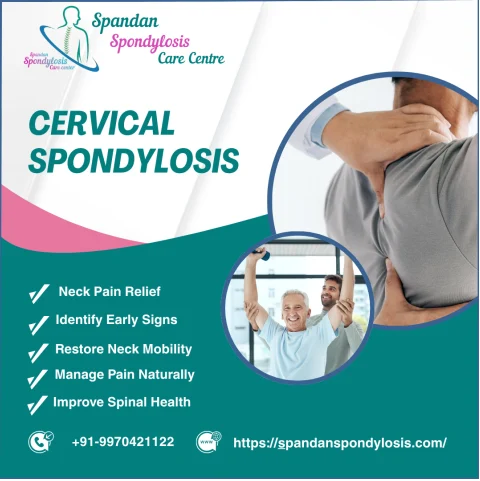
Cervical spondylosis is a normal age -related condition that affects the neck and spine. It is also known as a cervical osteoarthritis or degenerative disc disease in the cervical spine. When people use age, disk, joints and bones slowly in the cervix, causing discomfort and reduces mobility. In this blog, we will detect causes, symptoms and best treatment options for cervical spondylosis, which will help you handle and prevent this condition effectively.
Understanding Cervical Spondylosis
Cervical spondylosis mainly affects the cervix, with seven vertebrae in the neck. Over time, cartilage and bones in this region undergo degenerative changes, resulting in hardness, pain and other complications. This condition is extremely common, especially in individuals over 40 years. Although some may not experience noticeable symptoms, others may suffer from severe pain and limited movement.
Causes of Cervical Spondylosis
Cervical spondylosis develops due to various factors, most of which are related to the process of natural ageing. However, lifestyle options, injuries and genetics can also contribute to progress. Below are the primary causes of cervical spondylosis:
- Ageing
As individuals grow older, structures in the cervix begins the spine. The disk between the vertebrae loses its hydration and elasticity, causing them to shrink and becomes less effective as shock absorbers.
- Bone Spurs
The body can develop bone spores (osteophytes) in response to the decline of the spine. These sowing estimates can compress the veins, which can cause pain and neurological symptoms.
- Herniated Discs
Over time, the outer layer of the spinal cord can develop cracks so that the inner material can spread. This condition, known as a herniated plate, can put pressure on the spine and cause pain.
- Ligament Stiffness
With age, the spine can be thicker and loses flexibility, limiting neck speed and contributing to cervical spondylosis symptoms.
- Repetitive Strain and Poor Posture
Activities that stress the neck, such as computers, smartphones or prolonged use of heavy lifting, can intensify wear, leading to cervical spondylosis.
- Previous Neck Injuries
History of neck injuries from sports, accidents or falls can increase the risk of developing cervical spondylosis later in life.
- Genetics
Some individuals may inherit a rebellion for degenerative spinal cord conditions, making them more prone to cervical spondylosis.
Cervical Spondylosis Symptoms
The severity of cervical spondylosis symptoms varies from person to another. Some individuals can be touching, while others experience persistent discomfort and limited mobility. Common symptoms include:
- Neck Pain and Stiffness
Neck pain is the most common symptom, spreading often with movement or long-lasting inactivity. Hardness of the neck can make it difficult to bend your head.
- Headaches
Cervical spondylosis can trigger the headache of stress that originated on the base of the skull and spreads to the forehead.
- Radiating Pain
The pain can be radiated from the neck to the shoulders, arms and even the fingers. This happens when the veins are compressed by bone spores or herniated plates.
- Weakness in the Arms and Hands
Nerve compression can cause weapons and muscle weakness in the hands, making it difficult to catch objects or to do fine motor functions.
- Tingling and Numbness
Many individuals experience a tingling or numb sensation in weapons, hands or fingers due to nerve irritation.
- Loss of Balance and Coordination
In severe cases, the cervical spondylosis can affect the spinal cord, which can cause balance, coordination and even difficulty walking.
Best Treatment Options for Cervical Spondylosis
Cervical spondylosis treatment focuses on pain relief, improvement of mobility and further degeneration. A combination of lifestyle changes, medical treatment and therapy can effectively handle the condition.
- Medications
Many medications can help reduce pain and inflammation associated with cervical spondylosis:
- Pain relief: Over-the-counter painkillers such as ibuprofen and acetaminophen can reduce discomfort.
- Muscle support: These helps relieve muscle spasms and stiffness in the neck.
- Corticosteroid injection: In severe cases, steroid injections can be recommended to reduce inflammation and pain.
- Physical Therapy
Physical therapy is an important component of cervical spondylosis treatment. A trained physician can guide patients through exercise to improve attitude, strengthen the neck muscles and increase flexibility. Common techniques include:
- Stretching exercises to remove hardness.
- Shakti training to support the spine.
- Postal training to correct bad habits.
- Lifestyle Modifications
Changes in simple lifestyle can significantly reduce cervical spondylosis symptoms:
- Keep a good attitude when sitting and standing.
- Use ergonomic furniture to support the neck.
- Take a break continuously while working with a computer.
- Avoid carrying heavy loads that stress the neck.
- Home Remedies
Some home remedies can help reduce cervical spondylosis symptoms:
- Hot and cold therapy: Application of heat cushions or ice packs can reduce pain and inflammation.
- Neck exercise: Gentle stretch and movement can prevent hardness.
- Massage therapy: A professional massage can improve blood circulation and relieve muscle tension.
- Alternative Therapies
Many alternative agents have been found favourable for cervical spondylosis:
- Acupuncture: This ancient practice can help reduce pain and improve nerve function.
- Careeropactic Care: A bone can increase the spinal cord adjustment dynamics with vaidya and remove discomfort.
- Yoga and Meditation: Gentle yoga position and relaxation techniques can strengthen the neck muscles and reduce stress.
- Surgical Intervention
Surgery is rarely necessary for cervical spondylosis, but in severe cases it may be necessary where nerve compression causes significant pain, weakness or loss of function. General surgical processes include:
- Discectomy: Remove a damaged plate pressing on a nerve.
- Laminectomy: Removal of part of the vertebrae to remove the spine.
- Spinal fusion: Virt fans to stabilize the spine.
Preventing Cervical Spondylosis
While cervical spondylosis is a natural part of ageing, preventive measures can reduce progress and reduce the risk of symptoms:
- Be active with regular neck exercise and back.
- Practice good attitude while working and sleeping.
- Use auxiliary pads to maintain spinal cord adjustment.
- Eat a balanced diet rich in calcium and vitamin D for bone health.
- Manage stress through relaxation techniques to prevent muscle tension.
Conclusion
Cervical spondylosis is a common but controlled condition that affects the neck and spine. By understanding the causes, cervical spondylosis symptoms and using the correct cervical spondylosis treatment options, individuals can improve the quality of life. Whether medication, physiotherapy, lifestyle changes or through alternative agents, there are many ways to reduce pain and increase mobility. Preference to back health and creating active alternatives can help prevent cervical spondylosis from interfering with daily activities.

One Response
Hi, this is a comment.
To get started with moderating, editing, and deleting comments, please visit the Comments screen in the dashboard.
Commenter avatars come from Gravatar.